


Read Time: Less than 5 Mins
First Published: May 26, 2026
Most of my conversations with contractors the past few months have centered around ongoing concerns regarding inflation, oil prices and construction input prices.
Let’s take a look at the data:
- Inflation rose to 3.8% year-over-year (YOY) in April — the highest since May 2023 — according to the U.S. Inflation Calculator
- Oil prices jumped 65.37% YOY, according to Fortune
- Construction input prices have increased by 6.2% since January, which is more than they’ve risen over the last three years (4.8%), according to a news release by the Associated Builders and Contractors
These numbers aren’t just talking points. They’re showing up in real ways — on bids, in conversations with subs and on the bottom line. Higher material, fuel and labor costs are squeezing margins and making long-term planning harder than it should be.
Interest Rates Holding Steady
Heading into 2026, many economists anticipated two to three federal funds rate cuts. However, rising inflation, uncertainty surrounding the Iran War and an unemployment rate of 4.3% have prompted the Federal Reserve to keep rates steady at 3.5%-3.75% for the third consecutive meeting.
For contractors and developers, that decision carries significant implications. While commercial construction borrowing costs typically run 2.5%-5% higher than the federal funds rate due to project risk, lending structures and market conditions, the Fed’s benchmark rate still heavily influences the overall cost of financing.
As a result, many firms are being more deliberate about expansion, equipment investments and large-scale projects. And that’s not necessarily a bad thing. Steady rates — even elevated ones — give you something to plan around. Predictability has value, especially right now.
Potential Tariff Relief
Tariffs remain a significant variable for contractors, particularly when it comes to steel, aluminum and other core construction materials that directly affect project pricing and profitability.
That said, there are signs that some relief may be on the horizon.
On February 20th, the U.S. Supreme Court ruled that the 10% tariffs on imports from countries including Canada, Mexico and China were invalid under the International Emergency Economic Powers Act (IEEPA).
After the Supreme Court Loss, the Trump administration tried to impose new 10% global tariffs under Section 122 of the Trade Act of 1974. The Court of International Trade (CIT) found these tariffs unlawful on May 7th.
While the legal process is still unfolding, these decisions could represent an important shift for the industry. If these rulings hold, contractors could see meaningful relief on material pricing in the back half of the year. That’s worth factoring into planning conversations now.
The Current Outlook: Cautious Optimism
While some current trends present real challenges, they don’t tell the whole story.
Contractors have become increasingly resilient over the past several years, adapting to supply chain disruptions, labor shortages and fluctuating material costs. That experience navigating uncertainty is helping many firms approach the current market with cautious optimism, and the backlog data supports this.
The ABC’s Construction Backlog Indicator rose to 8.8 months in April, driven in large part by continued data center construction.
According to ABC Chief Economist Dr. Anirban Basu, 42% of ABC members with more than $100 million in annual revenues are under contractor to work on data center projects. Those contractors reported an average backlog of 12.2 months, compared to 8.3 months for firms not involved in data center work.
That sustained demand is helping support optimism across much of the industry, even as economic uncertainty continues.
“Despite diverging levels of backlog, ABC contractor members of all sizes remain confident about the outlook,” said Basu. “Just 1 in 5 expect their profit margins to shrink over the next six months, the fewest since January 2025, and contractors are similarly upbeat about their sales and staffing levels. The upshot is that weak construction spending data, the recent rise in oil prices and emerging materials price escalation have not diminished ABC member confidence.”
While challenges remain, the data suggests many contractors are approaching the months ahead with a balanced mindset — cautious about ongoing economic pressures, but confident in their ability to continue finding opportunities for growth.
Steps You Can Take to Maintain Success
Uncertainty isn’t going away. The key difference among contractors is how effectively they manage the factors that are within their control. The firms performing the best are those emphasizing execution over reaction.
As a result, many contractors are taking the following steps to protect margins and improve operational stability.
Step 1: Strengthen Operational Visibility
Contractors who maintain real-time visibility into labor, equipment usage and job costs are better positioned to identify issues early and protect profitability before small issues compound into cost overruns and project delays.
Step 2: Improve Forecasting and Planning Discipline
Backlog, cash flow and staffing decisions are receiving closer attention across the industry. Stronger forecasting discipline is helping contractors anticipate pressure points sooner and adjust resources with more confidence as conditions change.
Step 3: Be More Intentional About Project Selection
Rather than pursuing every available opportunity, many contractors are becoming more selective about the work they take on. The focus is shifting toward projects that align with core capabilities, available capacity and expected margin performance — helping firms reduce risk and maintain more consistent outcomes.
Step 4: Leverage Construction-Specific Technology for Faster, Better Decision-Making
Speed and accuracy of job information are becoming a clear competitive advantage right now. When your field and office are connected in real-time, you can reduce reporting delays, improve job costing accuracy and make faster decisions that protect your margins.
The common thread? Control. Control over your data, your planning and your execution. In this market, that’s what separating the firms that thrive from the ones that just get by.
Share Article
Make Your Inbox Smarter
Keep on current news in the construction industry. Subscribe to free eNews!
Related Articles

FOUNDATION® Customers and Their Experience: What Contractors Are Saying in Their Own Words
FOUNDATION® construction accounting software customers consistently describe the same core benefits: less manual work, better visibility and more confidence in
Learn More
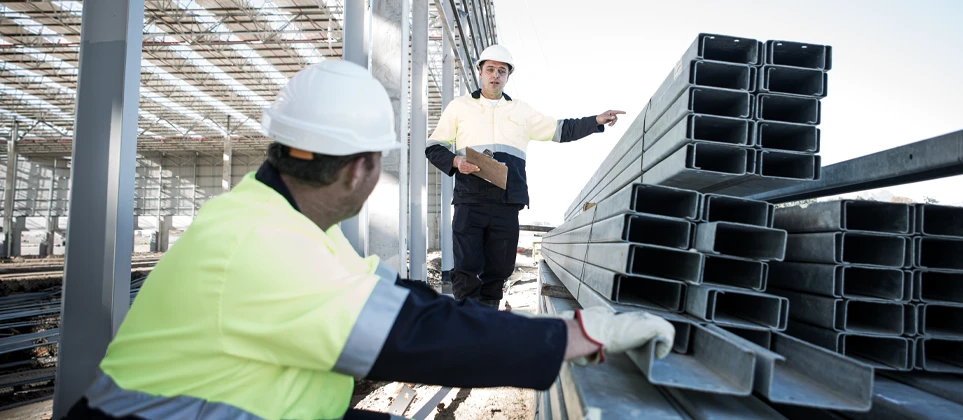
How Do You Track Job Costs When Materials and Labor Hit at Different Times?
Keeping job costs straight in construction is tough when everything bills on its own schedule. Your crew wraps up in
Learn More
Our Top 3 YouTube Videos
Learn about our software more in depth with product overviews, demos, and much more!
ACA & W-2 Services
Our ACA reporting & e-filing services include official 1094-C and 1095-C IRS reporting, optional e-filing (no applying for a TCC code required), mailing to your employees and experienced support to help you.

Client Testimonials
There are plenty of reasons to make FOUNDATION your choice for job cost accounting and construction management software — just ask our clients!
Product Overviews
From job cost accounting software, to construction-specific payroll. Get an overview on your next all-in-one back-office solution.