What Contractors Need to Know About Interpreting Construction Expense Reports

You’ve got multiple jobs running at once, your crew is making purchases in the field and receipts are coming in from all directions.
By the time everything lands in one place, sorting out which charges belong to which job — and making sure the numbers are right — takes time and resources.
That’s not a reflection of how you’re running your business. It’s just the reality of how work moves.
But construction expense reports are how you make sense of all that activity. They tie each purchase back to a job, keep your costs organized and give you the visibility you need to protect your margins.
The better you understand them — and the more consistently you run them — the more control you have over where your money is going. That starts with knowing what to look for.
Key Takeaways
- Expense reports document every dollar your team spends and help you track costs by job
- Running expense reports consistently gives you real-time visibility into your cash flow
- Accurate spending data feeds directly into job costing and helps protect project margins
- Manual expense tracking creates opportunities for errors that affect your bottom line
- FOUNDATION Pay® streamlines expense tracking with easier receipt capture, coding, approval and import to your accounting system
What Is a Construction Expense Report?
Construction expense reports connect every field purchase directly to a job, giving you the cost data you need to know whether a project is making money. Without that connection, job costing is incomplete and pricing future work becomes a guessing game.
These records typically cover:
- Materials
- Fuel
- Tools
- Company meals on a jobsite
In other words, expense reports record anything charged to a company card or reimbursed later.
For construction contractors, these records are also what make historical job data reliable.
When your expense records are accurate across jobs, you start to see patterns — which project types run lean and which ones consistently bleed.
Why Regular Expense Reporting Pays Off
Consistent expense reporting gives you an ongoing look at where your money is going. Instead of finding a budget problem after the fact, you can catch it while there’s still time to adjust.
Regular reporting also keeps your records clean for audits and client billing. When spending data is organized and easy to pull up, you spend less time digging for documentation.
Catching Budget Overruns Early
Staying on top of your cost summaries helps you spot budget overruns before they become a bigger issue. When you know a job is trending over budget early on, you have options to correct it.
When that information comes in late, your choices narrow quickly.
According to the Construction Financial Management Association, getting financial data quickly is one of the biggest factors in keeping project margins healthy. Knowing your numbers matters but knowing them early is what gives you room to respond.
Contractors who review expense data frequently can identify cost overruns, flag coding errors and adjust before a tight margin becomes a loss.
What Your Spending Records Should Show You
Strong expense records do more than document spending — they give you the visibility to manage jobs in real time rather than react after the fact.
A solid spending record tells you:
- Who spent money
- How much they spent
- What they bought
- Which job or cost code the expense belongs to
When that data is tied to a cost code on every transaction, you can see exactly where a job stands at any point during the project. That’s the difference between managing your costs and discovering them.
When you’re running multiple crews across different sites, getting that data organized is a real challenge.
Most contractors handle this manually — collecting receipts, entering transactions and reconciling everything at month-end.
The Challenges of Manual Expense Tracking

Manual expense workflows take time. Someone has to gather receipts, code each transaction, enter everything into your system and reconcile it against the card statement. Each manual entry is a chance for something to slip through.
When errors show up in your expense data, they affect your job costs, your financial reports and potentially your billing.
When Your Tools Don’t Talk to Each Other
Many construction teams use a card from one provider, an accounting system from another and a spreadsheet to bridge the gap.
That setup means double entry, delayed data and difficult reconciliations every month.
According to the ACFE’s Report to the Nations, expense reimbursement is one of the most common sources of occupational fraud — and organizations that lack automated controls are significantly more exposed.
Having connected systems makes it easier to catch discrepancies before they grow.
How FOUNDATION Pay Corporate Card Simplifies the Process
FOUNDATION Pay is an expense and pay management platform built for contractors, and its Corporate Card is where expense tracking becomes significantly more efficient.
When a card is swiped, the transaction automatically appears in the expense management system. From there, employees add receipts and coding before the transaction is approved and pushed to FOUNDATION® construction accounting software — keeping your data clean before it ever touches your books.
Receipts are then captured via text (employees simply text a photo of the receipt) so approvals can happen directly inside the platform. Your accounting team gets clean, accurate data once transactions are approved — no more chasing a stack of paper at month-end.
The benefits go beyond cutting manual work.
With real-time job cost data flowing directly into FOUNDATION, construction expense reports stay current as transactions are reviewed and approved — giving you a clearer picture of where each project stands financially without waiting for month-end reconciliation.
That means fewer surprises, faster month-end close and more confidence in your numbers when you’re bidding the next job.

Take Control of Your Spending Data
Staying on top of your expenses protects your margins. It keeps your job costs accurate and makes the month-end close more manageable.
Clean, current spending records make every financial decision easier. That starts with having the right tools in place — ones that capture data where and when spending happens and connect it directly to your accounting system.
The FOUNDATION Pay Corporate Card and its built-in construction expense reporting give you both. Every swipe is automatically captured, then quickly coded, approved and pushed to your accounting system — so your data stays accurate and your team spends less time chasing paperwork.
For contractors who need their numbers to be right the first time, that’s a meaningful difference.
Book a demo with one of our construction accounting experts and get a firsthand look at what FOUNDATION Pay can do for your team.
Share Article
Keep on current news in the construction industry. Subscribe to free eNews!
Related Articles
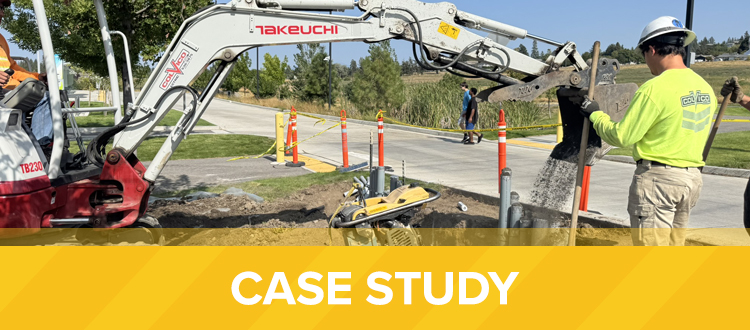
How Colvico’s AP Manager Handles 200+ Invoices a Week on Her Own
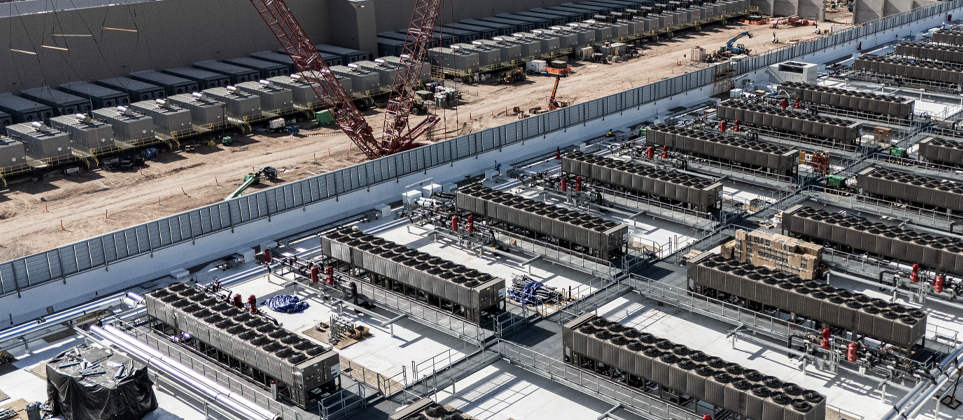
Behind the Construction Data Center Boom: Rising Labor Costs
Our Top 3 YouTube Videos
Learn about our software more in depth with product overviews, demos, and much more!
Our ACA reporting & e-filing services include official 1094-C and 1095-C IRS reporting, optional e-filing (no applying for a TCC code required), mailing to your employees and experienced support to help you.

There are plenty of reasons to make FOUNDATION your choice for job cost accounting and construction management software — just ask our clients!
From job cost accounting software, to construction-specific payroll. Get an overview on your next all-in-one back-office solution.