Why Construction Job Costing During the Busy Season Matters More Than Ever


Construction job costing matters more during the busy season because volume changes everything — more projects running at once means more payroll complexity and more chances for a cost to land on the wrong job before anyone notices.
When the phones are ringing and projects are stacking up, you’re focused on the work: keeping crews moving, hitting deadlines and making sure nothing falls through the cracks on the jobsite.
Meanwhile, costs are coming in from every direction — materials, labor, equipment, subs — and someone has to make sure all of it lands in the right place.
Without a construction job costing system keeping up with the pace, you can end up finishing your most productive stretch of the year wondering why the numbers don’t add up.
Key Takeaways
- Job costing ties every dollar your company spends — labor, materials, equipment, subs and overhead — to a specific project
- The busy season creates more opportunities for costs to land in the wrong place or go untracked entirely
- Payroll is typically the largest job cost, and cost codes, multiple pay rates and manual data entry make it the easiest one to get wrong
- Disconnected payroll and accounting systems force someone to bridge them by hand — and that’s where errors creep in
- Real-time cost data lets you course-correct while a job is still in progress, not after it’s already done
More Projects Means More Costs
Every expense on every job has to land somewhere in your books — including overhead, which has to get split fairly across every job you’re running at once. Here’s what shows up most often:
- Labor hours
- Material purchases
- Equipment usage
- Subcontractor invoices
Even one or two large jobs can generate a lot of moving parts. Add more projects to the mix — or one especially complex one — and that clarity disappears fast.
Picture a week in June. Crews at three jobsites. One foreman picks up materials at the supply house. A supervisor logs equipment hours.
Two guys work Monday on Job A and Tuesday through Friday on Job B. Someone in the office enters the payroll, codes everything to the first job on the list and moves on. Now Job A’s report shows labor costs it shouldn’t, and Job B looks cheaper than it was.
That kind of mistake isn’t anyone’s fault — it’s just what happens when the volume of work outpaces the system tracking it.
By the time you catch it, the month is already closed. And now your job reports don’t reflect reality. And the biggest cost category — payroll — is where things get especially tricky.

Payroll Gets Complicated Fast During Peak Season
Payroll is usually one of the biggest costs on any construction job — and during busy season it’s also one of the most complicated.
Workers clock hours on multiple projects in the same week. Overtime kicks in. Some crew members work under different pay rates depending on the job — prevailing wage on a public works project, standard rates on a private one.
That complexity is always there — but the busy season turns up the volume on all of it at once. Two things in particular tend to cause the most headaches when it comes to keeping payroll tied to the right jobs: cost codes and disconnected systems.
The Cost Code Problem
Every hour an employee works needs to hit the right job and the right cost code — whether that’s:
- Framing
- Concrete
- Electrical
- Cleanup
- Whatever applies
When timecards are vague — just a job number and total hours, no task breakdown — those hours get misallocated. Multiply that across a full crew, week after week, and your cost codes no longer reflect what actually happened on the job.
When Payroll and Accounting Live in Separate Systems

Many contractors process payroll in one system and handle their project cost accounting in another. That means someone has to:
- Manually pull numbers from payroll
- Enter them into accounting
- Make sure nothing gets lost or entered incorrectly along the way
That’s one more task on an already-stretched office team. And any error in that handoff means your job cost reports are off before the week even ends.
Over a full busy season, those small discrepancies stack up — and by the time you notice, it’s hard to track down where things went sideways.
How Job Costing Helps You Catch Cost Overruns Early
Job costing tells you how a project is performing while you can still do something about it.
Say you’re two-thirds through a job and labor costs are already at 90% of budget. Find that out at close-out and there’s nothing you can do.
Catch it at the six-week mark and you can tighten up the crew, talk to the owner about a change order or track down where the overrun started.
To manage project costs effectively mid-job, you need to be able to pull up:
- Actual costs to date vs. your original estimate, broken down by category
- Labor hours by cost code, so you can see exactly where time is going
- Committed costs — purchase orders and subcontracts that haven’t been invoiced yet but are already spoken for — easy to lose track of when POs are getting cut across three jobsites in the same week
- A projected final cost based on current progress
Most spreadsheets can handle the first item if someone stays on top of data entry. The rest require a system built specifically for construction accounting — one that captures costs as they happen and gives you a live picture of where each job stands.
That’s what turns job cost data from a report into a tool you actually use to run the job — not just account for it after the fact.
Keep Your Job Costs as Organized as Your Crew
Coming out of busy season in good financial shape has a lot to do with visibility. When you know your numbers — job by job, week by week — you’re in a much better position to make smart calls when it counts.
That means having a system that connects payroll, job costs and reporting — without your office spending hours manually stitching it all together.
FOUNDATION® is job cost accounting software built specifically for contractors. No matter how complex your payroll gets, it ties every dollar back to the right project in real time — so you always know where each job stands.
Everything is in one place, so nothing slips when the season is at its peak.
Talk to an expert and book a demo to find out how FOUNDATION can help you stay in control of your project costs before the season gets away from you.
Share Article
Keep on current news in the construction industry. Subscribe to free eNews!
Related Articles

How Colvico’s AP Manager Handles 200+ Invoices a Week on Her Own
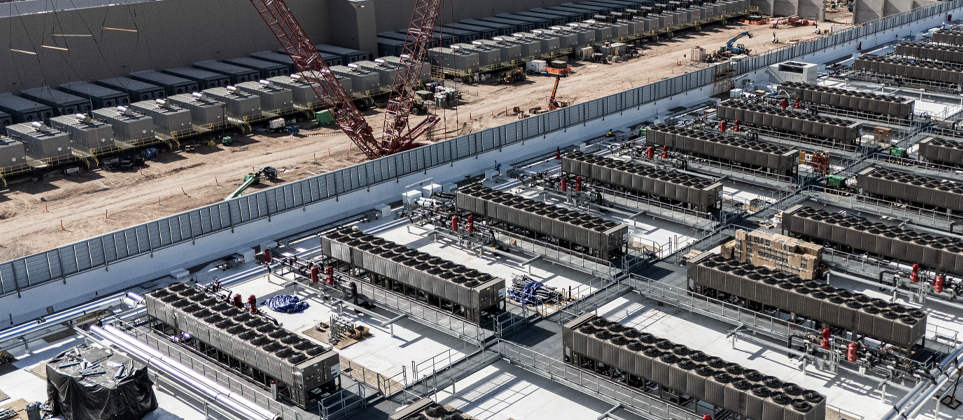
Behind the Construction Data Center Boom: Rising Labor Costs
Our Top 3 YouTube Videos
Learn about our software more in depth with product overviews, demos, and much more!
Our ACA reporting & e-filing services include official 1094-C and 1095-C IRS reporting, optional e-filing (no applying for a TCC code required), mailing to your employees and experienced support to help you.

There are plenty of reasons to make FOUNDATION your choice for job cost accounting and construction management software — just ask our clients!
From job cost accounting software, to construction-specific payroll. Get an overview on your next all-in-one back-office solution.