

Read Time: Less than 7 Mins
First Published: August 20, 2026
Artificial intelligence (AI) is changing technology. But it’s also changing construction.
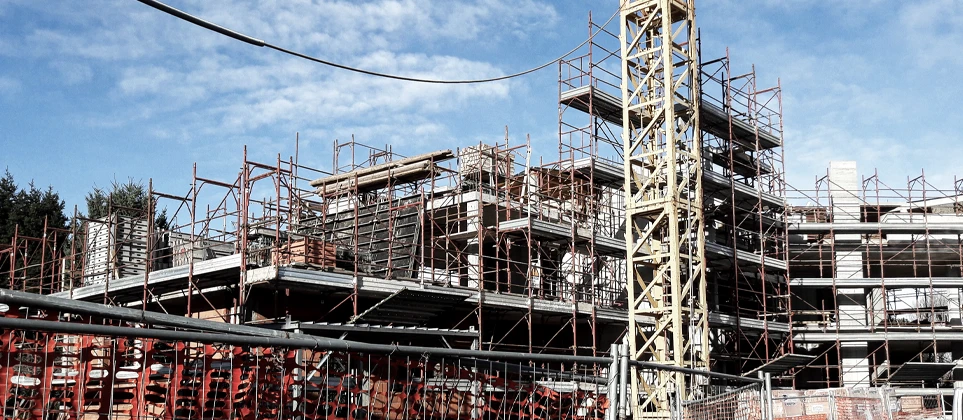
Across the country, demand for AI computing capacity is fueling investments in data centers, energy infrastructure, manufacturing facilities and other large-scale construction projects.
Tech companies are racing to expand their computing capacity; utilities are working to support growing power demands and developers are investing billions into facilities designed to support the next generation of digital innovation.
According to current construction-industry reporting, U.S. data-center construction starts reached $81.5 billion through June 2026, already surpassing the full-year 2025 total. An AGC survey also found that 57% of contractors expect the available dollar value of data-center projects in 2026 to exceed 2025 levels.
For contractors, this surge in construction activity represents a significant opportunity.
But as project sizes grow and timelines become more demanding, contractors face a new challenge: managing the financial complexity of larger, more specialized construction jobs.
Winning the work is only part of the equation. Maintaining profitability, controlling costs and keeping projects on track financially can be just as important.
As AI infrastructure construction continues to expand, contractors need more than new opportunities — they need the visibility and financial tools to manage them successfully.
Key Takeaways for Construction Professionals:
- Artificial intelligence is driving increased investment in data centers, energy infrastructure and advanced manufacturing projects.
- AI infrastructure projects often involve larger budgets, accelerated timelines and more complex labor and material requirements.
- Strong job costing, financial reporting and forecasting processes help contractors manage risk as project complexity increases.
- Real-time visibility into labor, equipment and project costs can improve decision-making and profitability.
- Construction accounting software can provide the financial controls needed to support long-term growth.
Why AI Is Creating New Construction Opportunities
AI is creating new construction opportunities because growing computing demand requires data centers, power infrastructure and specialized facilities to support it.
When most people think about artificial intelligence, they think about software. What often gets overlooked is the physical infrastructure.
AI applications require enormous amounts of computing power.
Behind every AI-powered search, chatbot or image generator are servers, networking equipment and other technology infrastructure used to store, process and distribute digital information.
As a result, companies across multiple industries are investing heavily in new facilities and infrastructure designed to support AI growth.
This includes:
- Data centers
- Utility and power generation projects
- Advanced manufacturing facilities
- Semiconductor plants
- Telecommunications infrastructure
- Fiber/network infrastructure
Many of these facilities require extensive site development, electrical infrastructure, concrete work, mechanical installations and ongoing infrastructure improvements — creating substantial opportunities for contractors across multiple trades.
For contractors, this means more opportunities to bid on large-scale commercial, industrial and infrastructure construction projects that may not have existed just a few years ago.
Bigger Projects Bring Bigger Financial Risks
Megaprojects often come with large rewards, but they also come with larger risks.
AI-related construction projects frequently involve significant budgets, complex scopes of work and aggressive schedules.
Even a small issue can create a ripple effect across the entire project.
Contractors may face challenges such as:
- Rapidly changing material costs
- Multi-phase projects operating under compressed schedules
- Skilled labor shortages and rising wages
- Complex subcontractor coordination
- Long lead times for specialized equipment
- Extended project timelines
- Increased compliance requirements
- More frequent change orders
When project values increase, mistakes become more expensive.
A missed labor overrun on a small project may create a minor issue. On a large-scale infrastructure or data center project, that same overrun could significantly impact profit margins.
That’s why financial visibility becomes increasingly important as projects become larger and more complex.
Why Visibility Matters as Projects Grow
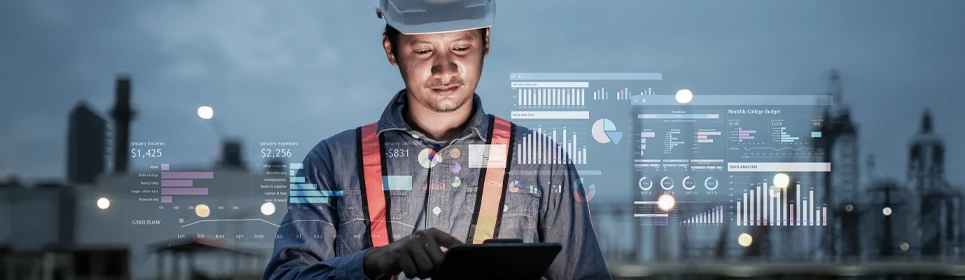
Financial visibility becomes more important as contractors take on larger AI infrastructure projects because small cost variances can become significant at scale.
As projects become more complex, relying on spreadsheets or month-end reviews can make it difficult to spot issues before they impact profitability.
Instead, contractors need access to timely financial data and detailed construction accounting that helps them understand project performance while work is still underway.
Accurate Job Costing
Job costing remains one of the most important tools for managing large projects.
By tracking labor, materials, equipment and subcontractor costs at the job and cost-code level, contractors gain a clearer understanding of where money is being spent and how projects are performing against budget.
When costs begin trending in the wrong direction, accurate job costing helps teams identify problems early rather than discovering them after the project is complete.
Work-in-Progress (WIP) Reporting
As project values grow, understanding earned revenue becomes increasingly important.
Work-in-progress reporting provides insight into project health by comparing costs incurred, revenue earned and billing activity.
This visibility helps contractors monitor profitability, identify potential issues and make more informed financial decisions throughout the project lifecycle.
Multi-Company and Multi-Division Visibility
Contractors operating across multiple entities, divisions or business units may face additional reporting complexity as project volume grows.
Managing financial information across multiple companies can become increasingly challenging as operations grow.
Having a centralized view of financial performance can help leadership teams evaluate profitability, monitor resources and make strategic decisions with greater confidence.
Executive-Level Reporting
The larger the project, the more stakeholders want answers.
Owners, executives and project managers all rely on accurate reporting to understand project performance and company health.
Access to detailed project budget management helps decision-makers respond faster and reduce uncertainty when managing growth.
How Contractors Can Prepare for AI Infrastructure Projects
AI-related construction opportunities may continue to expand in the coming years. Contractors don’t need to become technology experts to prepare.
Instead, they should focus on strengthening the financial processes that support growth.
These aren’t futuristic strategies.
They’re practical steps that help contractors prepare for growth in an increasingly competitive market.
Review Reporting Processes
Ensure project managers and leadership teams have access to timely, accurate financial information that supports informed decision-making.
Strengthen Job Cost Controls
Review how labor, material and equipment costs are tracked to improve visibility and construction forecasting accuracy.
Improve Budget-to-Actual Comparisons
Regularly compare project budgets against actual performance to identify potential issues before they become larger financial problems.
Evaluate System Integrations
Disconnected systems can create duplicate data entry, reporting delays and inconsistent information.
Review how estimating, project management, payroll and accounting systems exchange information and whether project data is flowing accurately between them.
Build More Accurate Forecasting Practices
Reliable forecasting helps contractors plan resources, manage cash flow and evaluate new opportunities with greater confidence.
Where FOUNDATION® Fits Into the Opportunity
As AI continues driving investment across construction markets, contractors need more than project opportunities — they need financial visibility to manage them effectively.
Whether your company is pursuing data center projects, infrastructure improvements, manufacturing facilities or other AI-driven construction opportunities, success depends on understanding project performance in real time.
FOUNDATION construction accounting software helps contractors manage job costs, payroll, reporting and financial data within a single construction-specific accounting platform.
With powerful job costing, work-in-progress (WIP) reporting, construction payroll and real-time financial visibility, contractors can better monitor project performance, control costs and support long-term growth.
Large AI infrastructure projects can create more cost codes, labor hours, equipment expenses, subcontractor costs and financial activity for contractors to track. FOUNDATION keeps those costs connected to the job so contractors can compare actual performance against budgets as work progresses.
As the industry evolves, contractors that combine opportunity with financial visibility will be in the strongest position to succeed.
Chat with a specialist today to learn how FOUNDATION can help your business prepare for the next phase of construction growth.
Share Article
Make Your Inbox Smarter
Keep on current news in the construction industry. Subscribe to free eNews!
Related Articles

Why Do Banks and Bonding Companies Require WIP Reports From Contractors?
Picture this: You’ve got a great track record, five solid jobs under your belt this year and a new project
Learn More
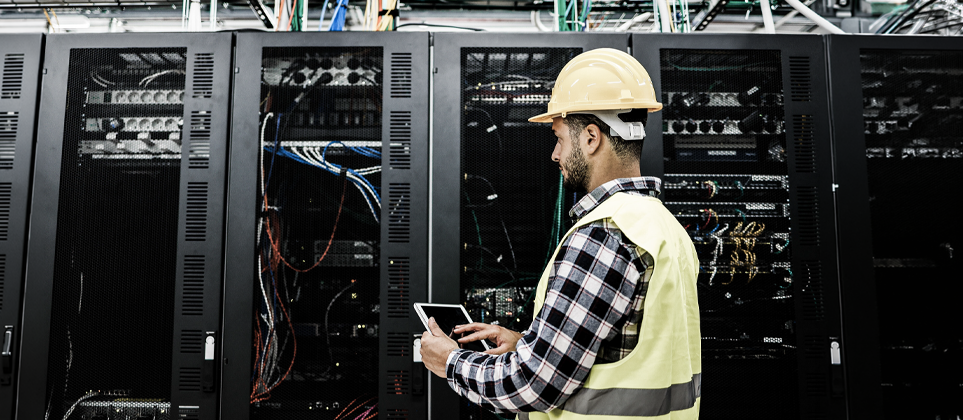
Building Data Center Infrastructure: What Trade Contractors Need to Know
Data center infrastructure projects create unique financial and operational challenges for trade contractors because of their scale, speed and technical
Learn More
Our Top 3 YouTube Videos
Learn about our software more in depth with product overviews, demos, and much more!
ACA & W-2 Services
Our ACA reporting & e-filing services include official 1094-C and 1095-C IRS reporting, optional e-filing (no applying for a TCC code required), mailing to your employees and experienced support to help you.

Client Testimonials
There are plenty of reasons to make FOUNDATION your choice for job cost accounting and construction management software — just ask our clients!
Product Overviews
From job cost accounting software, to construction-specific payroll. Get an overview on your next all-in-one back-office solution.